Bryde’s Whales Are Back: A Sign That Summer Is Arriving in Loreto
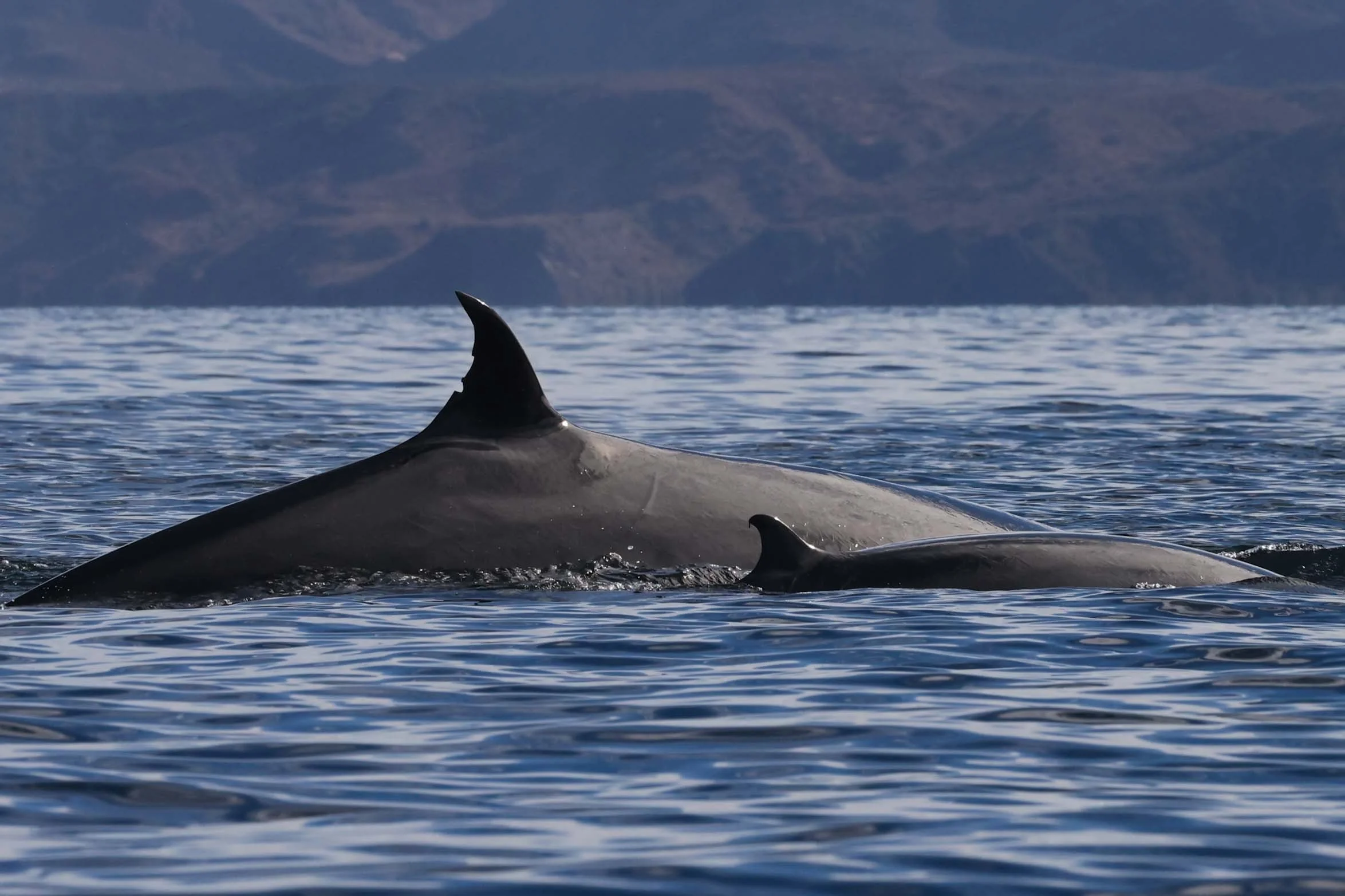
Bryde’s whale mother and calf, photographed in Loreto Bay National Park in May 2026. Photo by Regina Domingo, Wildlife Expedition Leader.
Yesterday we experienced one of those encounters that reminds us why we dedicate so many hours to the sea.
During one of our long-distance expeditions within Loreto Bay National Park and its surrounding waters, we encountered a Bryde’s whale (Balaenoptera edeni) mother accompanied by an extremely small calf, likely only a few days old.
Bryde’s whales are among the least understood large whale species inhabiting the Gulf of California. Unlike many baleen whales that migrate thousands of kilometers between feeding and breeding grounds, Bryde’s whales are considered resident or semi-resident natives of the Gulf, with individuals present throughout much of the year. Despite their regular occurrence, there is still much to learn about their population size, habitat use, movement patterns, reproductive ecology, and their role within the Gulf's marine ecosystem.
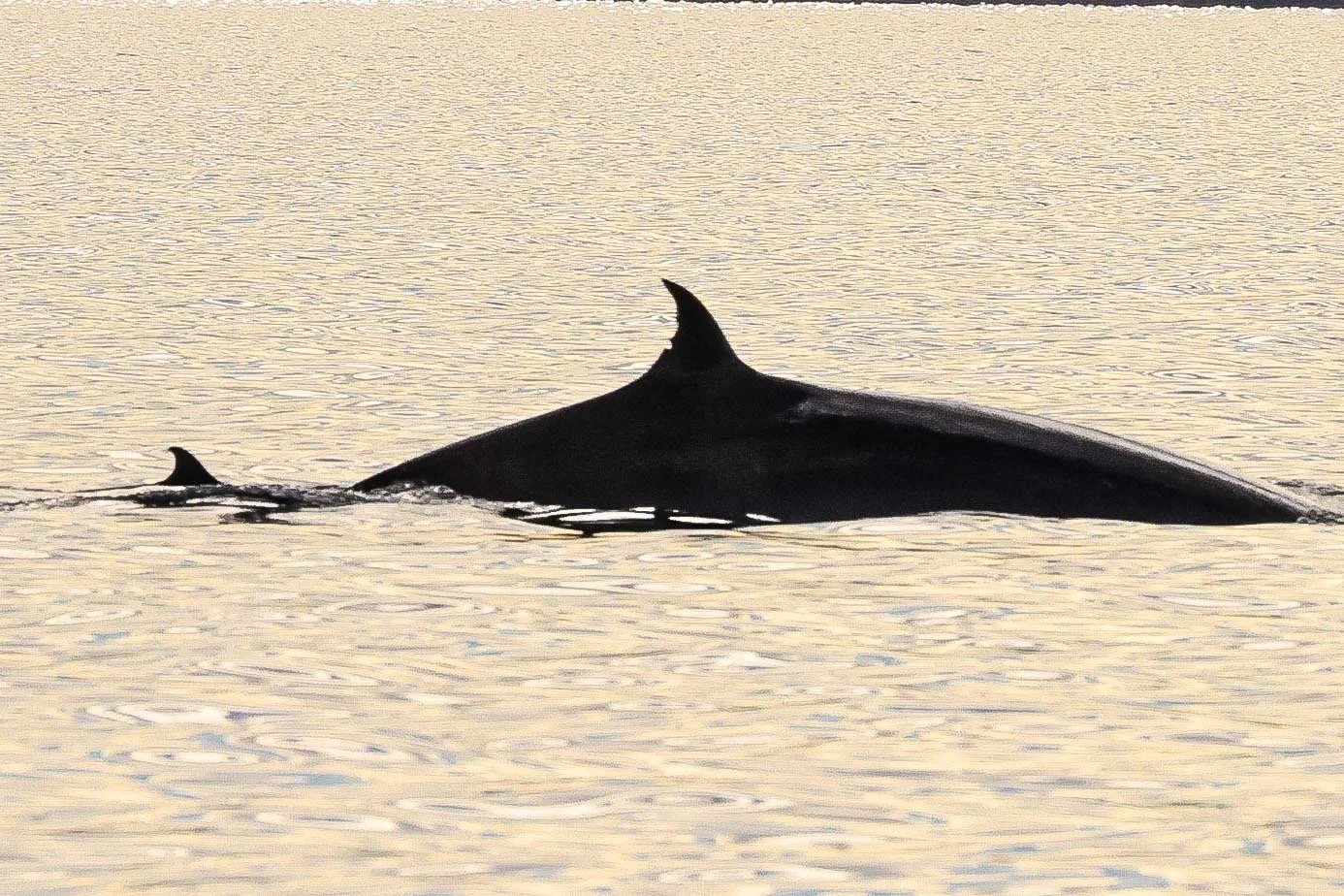
Bryde’s whale mother and calf, photographed in Loreto Bay National Park in May 2026. Photo by Regina Domingo, Wildlife Expedition Leader.
During this encounter, we obtained photo-identification images that may allow us to recognize this female again and follow her movements over the coming months. We hope to encounter her again this summer and witness the successful growth of her calf in these productive waters.
From June through September of last year, our team documented multiple Bryde’s whales—both solitary individuals and mothers accompanied by calves—feeding in different areas during our Long Distance Adventures and Loreto Islands expeditions. These repeated observations suggest that the waters surrounding Loreto may provide important feeding habitat and potentially serve as nursery areas for the species.
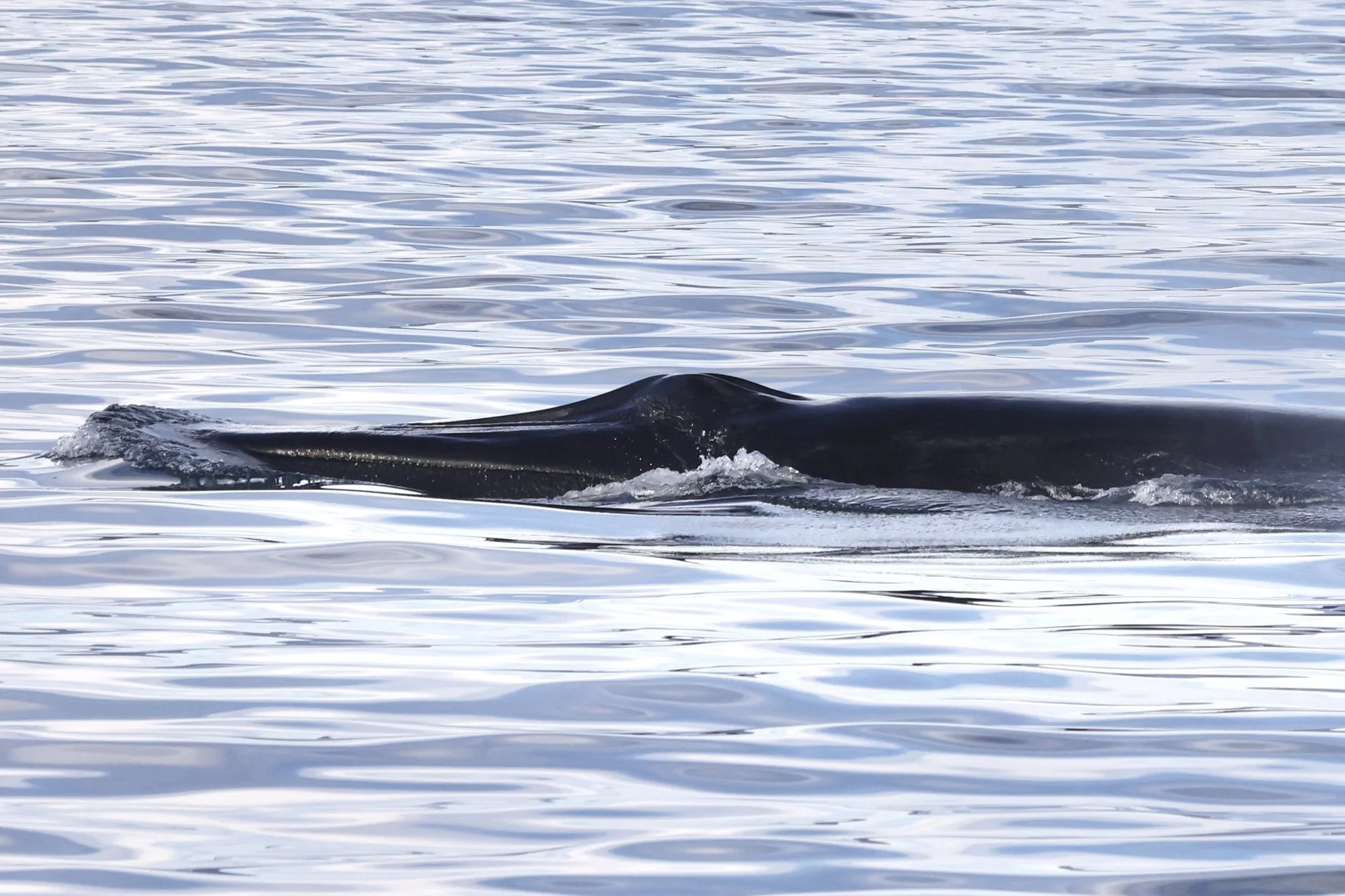
Bryde’s head photographed in Loreto Bay National Park in May 2026. Photo by Regina Domingo.
At Baja Adventures and Nakawe Project, we conduct year-round offshore expeditions dedicated to the responsible observation and documentation of cetaceans. Through our citizen science and regenerative tourism initiatives, we collect cetacean distribution data to better understand species occurrence, habitat use, seasonal presence, and ecosystem dynamics throughout the region.
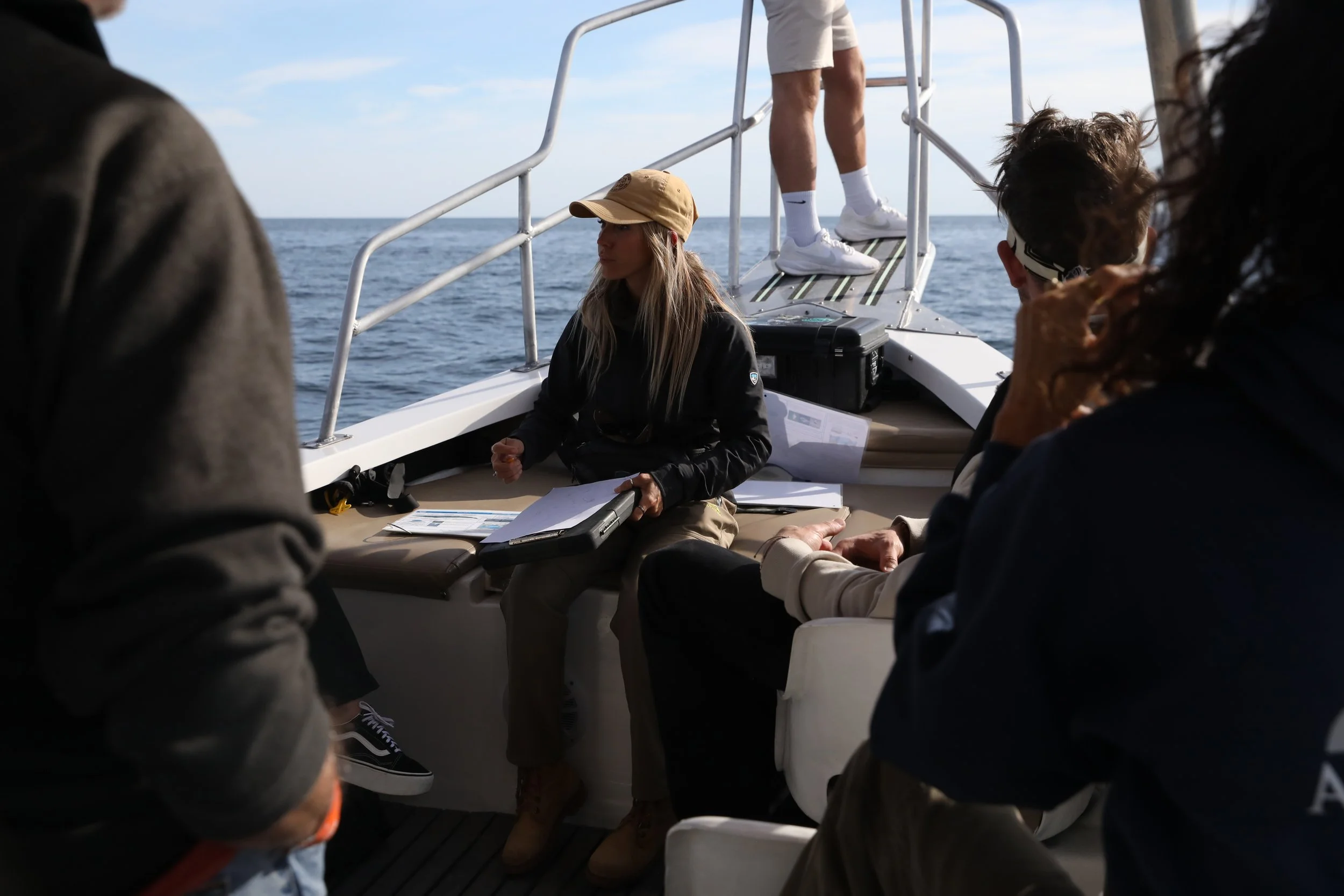
Regina Domingo, Wildlife Expedition Leader, providing an explanation to participants during a long-distance expedition in Loreto.
At the same time, these expeditions allow participants to learn firsthand about the extraordinary biodiversity of the Gulf of California while experiencing unforgettable days on the water. By combining exploration, education, and scientific data collection, every expedition contributes to a deeper understanding of the marine environment and the species that depend on it.
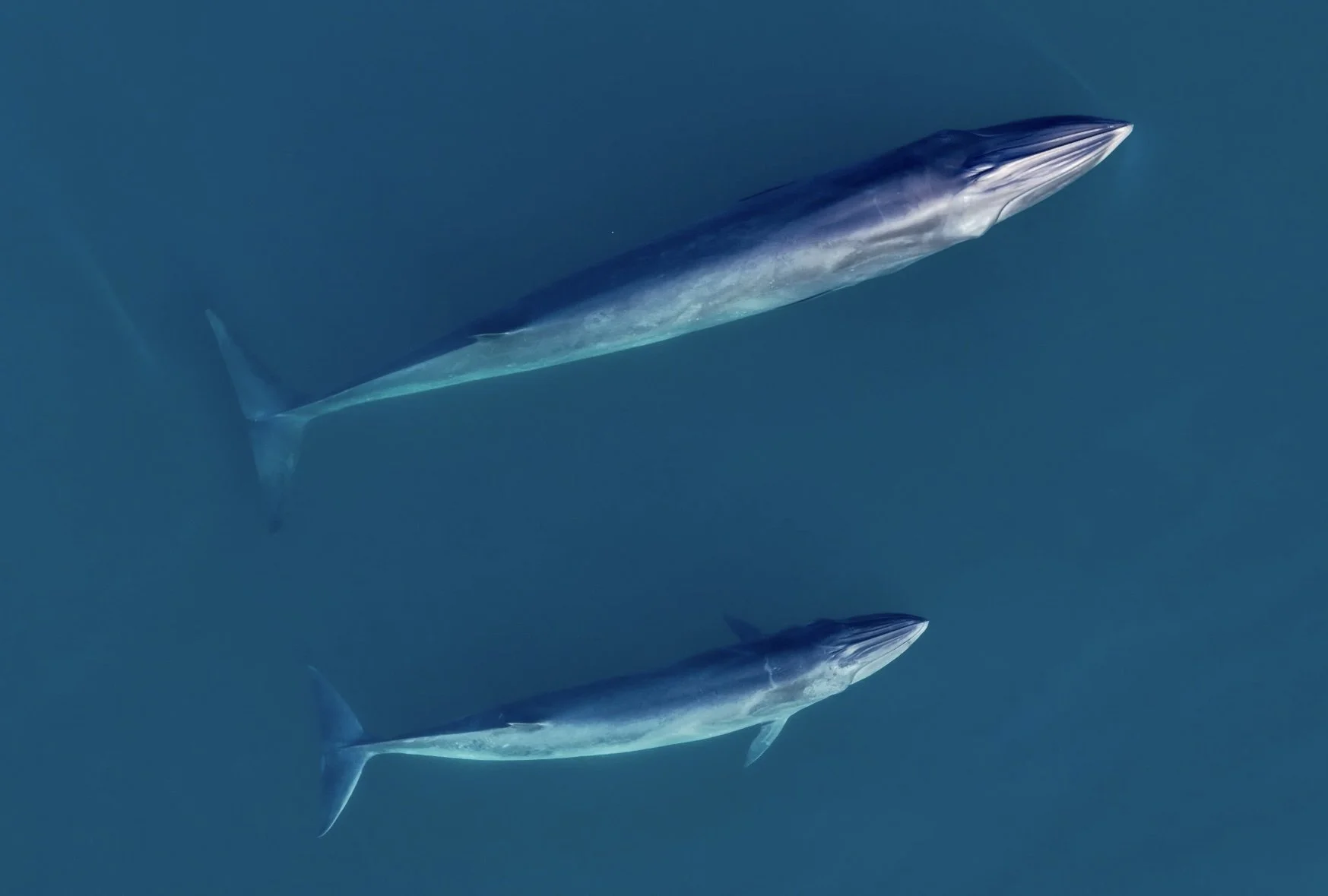
Bryde’s whale mother and calf, photographed outside Loreto Bay National Park in June 2025.
Every encounter contributes valuable information.
Every observation expands our understanding.
Every expedition helps us better protect the ocean we explore.